
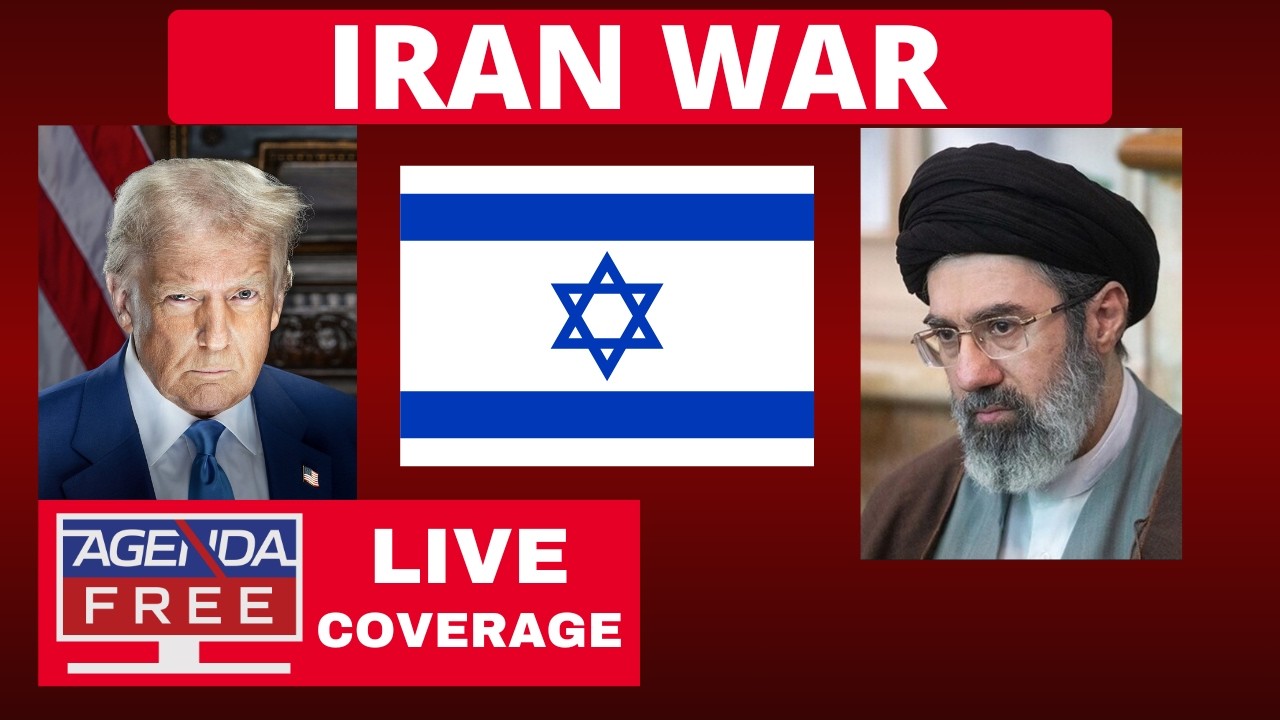
Summary
The IRGC's threats highlight the US Defense Department's reliance on commercial vendors with operations in the region, such as **Palantir**, which builds the data architecture for the Pentagon's **Project Maven** artificial intelligence program. The conflict has also raised concerns about the **Strait of Hormuz**, an essential shipping route, and the potential for further escalation. For more information on the role of technology in the conflict, see [[artificial-intelligence|Artificial Intelligence]] and [[cybersecurity|Cybersecurity]]. The situation is complex, with multiple parties involved, including **Iran**, **Israel**, and the **US**. To learn more about the history of the conflict, see [[middle-east-conflict|Middle East Conflict]].
Key Takeaways
- The IRGC has released a list of over a dozen American companies to attack
- The list includes major US tech firms, such as Apple and Google
- The conflict has resulted in significant humanitarian costs
- A diplomatic solution is urgently needed
- The situation is highly unpredictable and the risk of miscalculation is high
Balanced Perspective
The situation is **complex** and **fluid**, with multiple parties involved and a high risk of escalation. The IRGC's threats are a **serious concern**, but the US military's response may be enough to mitigate the risk. The conflict has already resulted in significant **humanitarian costs**, and a diplomatic solution is **urgently needed**. For more information on the humanitarian impact, see [[humanitarian-crisis|Humanitarian Crisis]]. The role of **international organizations** like the [[red-cross|Red Cross]] could be crucial in providing aid to those affected.
Optimistic View
The IRGC's threats may be a **bluff**, and the US military's response may be enough to deter further attacks. The conflict may also lead to increased cooperation between the US and its allies in the region, such as **Israel** and the **Gulf states**. Additionally, the situation may prompt a **diplomatic solution**, with the US and Iran engaging in peace talks. For more information on diplomatic efforts, see [[us-iran-diplomacy|US-Iran Diplomacy]]. The involvement of organizations like the [[united-nations|United Nations]] could also help to reduce tensions.
Critical View
The IRGC's threats are a **serious escalation** of the conflict, and the US military's response may not be enough to deter further attacks. The conflict has already resulted in significant **humanitarian costs**, and a **wider war** is a **real possibility**. The situation is **highly unpredictable**, and the risk of **miscalculation** is high. For more information on the risks of war, see [[war-and-conflict|War and Conflict]]. The involvement of other countries, such as **China** and **Russia**, could further complicate the situation.
Source
Originally reported by WIRED