Iran Threatens to Target U.S. Tech Firms in Escalating Conflict
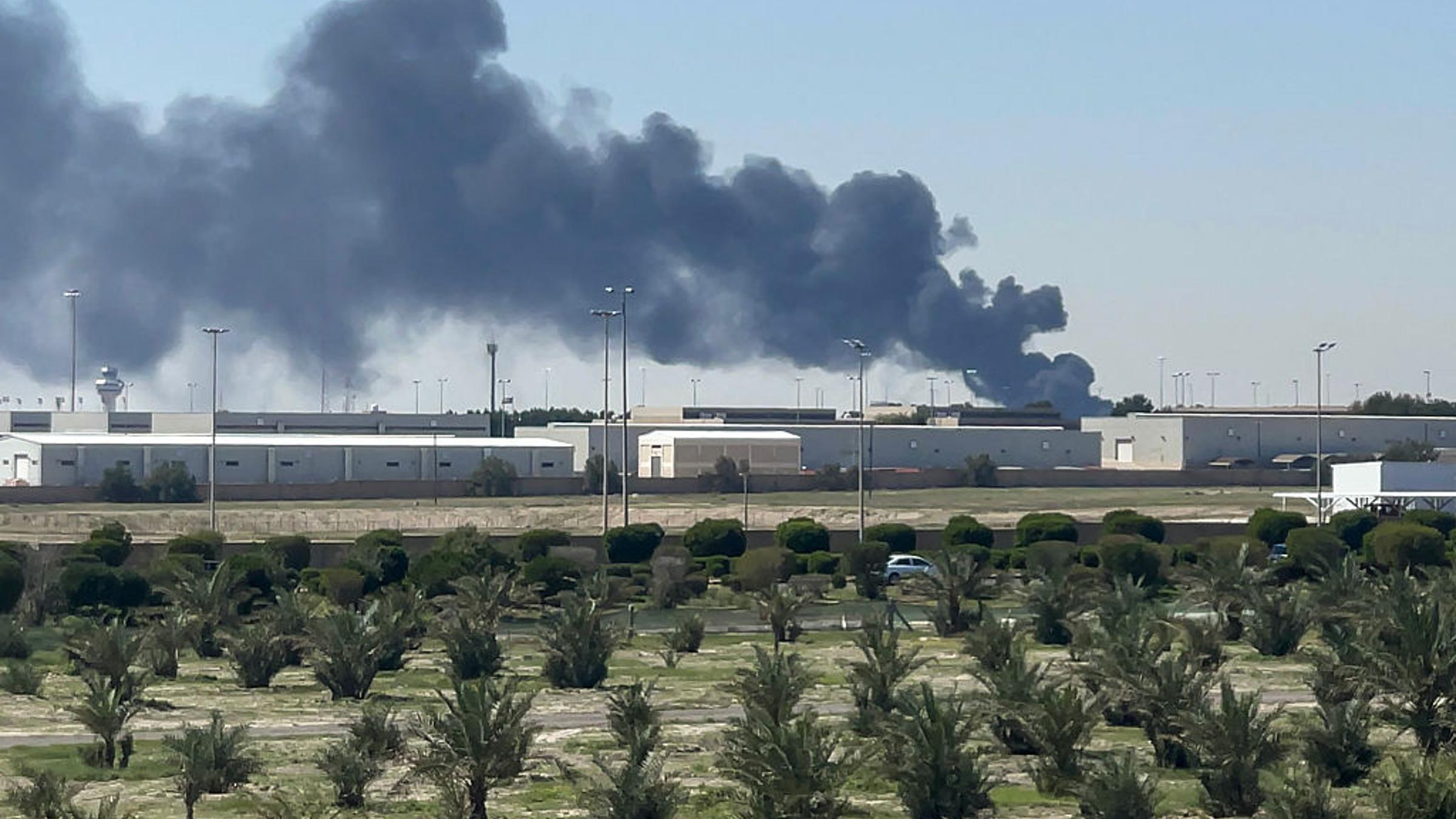
The conflict has significant implications for the global economy, particularly in the [[energy-sector|energy sector]], as Iran has effectively closed the **Stra
Summary
The conflict has significant implications for the global economy, particularly in the [[energy-sector|energy sector]], as Iran has effectively closed the **Strait of Hormuz**, the world's most important energy corridor. The situation is being closely monitored by the international community, with many countries calling for a peaceful resolution to the conflict. The [[us-tech-industry|US tech industry]] is also closely watching the situation, as the IRGC's threat could have significant implications for the industry. The [[cybersecurity|cybersecurity]] of these companies is also a major concern, as the IRGC has warned of potential cyber attacks. The [[artificial-intelligence|artificial intelligence]] and [[ict|ICT]] sectors are also affected, as the IRGC has accused these companies of enabling terrorist operations.
Key Takeaways
- The IRGC has released a list of 18 potential targets for retaliation, including Apple, Google, and Meta
- The companies on the list have operations in or commercial ties to Israel
- The U.S. and Israel have killed several high-ranking Iranian leaders, including Supreme Leader Ali Khamenei
- The situation is complex and volatile, with multiple parties involved and competing interests at play
- The conflict has significant implications for the global economy and international relations
Balanced Perspective
The situation is **complex** and **volatile**, with multiple parties involved and competing interests at play. The IRGC's threat is a serious escalation of the conflict, and it is unclear how the U.S. and its allies will respond. The fact that the companies on the list have operations in or commercial ties to **Israel** adds an additional layer of complexity to the situation. The [[geopolitics|geopolitics]] of the region are also a major factor, with multiple countries and entities vying for influence. The [[global-economy|global economy]] is also closely tied to the situation, as the conflict has significant implications for the [[energy-market|energy market]] and the [[global-trade|global trade]].
Optimistic View
The IRGC's threat may be a **bluff**, and the U.S. and its allies may be able to negotiate a peaceful resolution to the conflict. The fact that the IRGC has warned employees of the targeted companies to leave their workplaces immediately suggests that they may be trying to avoid civilian casualties. Additionally, the U.S. and its allies may be able to use **diplomacy** and **economic sanctions** to pressure Iran into ending its aggressive behavior. The [[international-relations|international relations]] between the US, Iran, and Israel are complex, and a peaceful resolution would require careful negotiation and cooperation. The [[united-nations|United Nations]] and other international organizations may play a key role in facilitating these negotiations.
Critical View
The IRGC's threat is a **serious escalation** of the conflict, and it could lead to a **devastating war** between the U.S. and Iran. The fact that the companies on the list are major players in the **tech industry** means that the conflict could have significant implications for the global economy. Additionally, the conflict could lead to a **humanitarian crisis**, particularly if the IRGC follows through on its threat to target civilians. The [[human-rights|human rights]] situation in the region is already precarious, and a further escalation of the conflict could lead to significant suffering for innocent civilians. The [[refugee-crisis|refugee crisis]] in the region is also a major concern, as the conflict could lead to a significant increase in refugees and displaced persons.
Source
Originally reported by Time Magazine