Iran Threatens US Tech Companies in Middle East | Mamamimi Music News
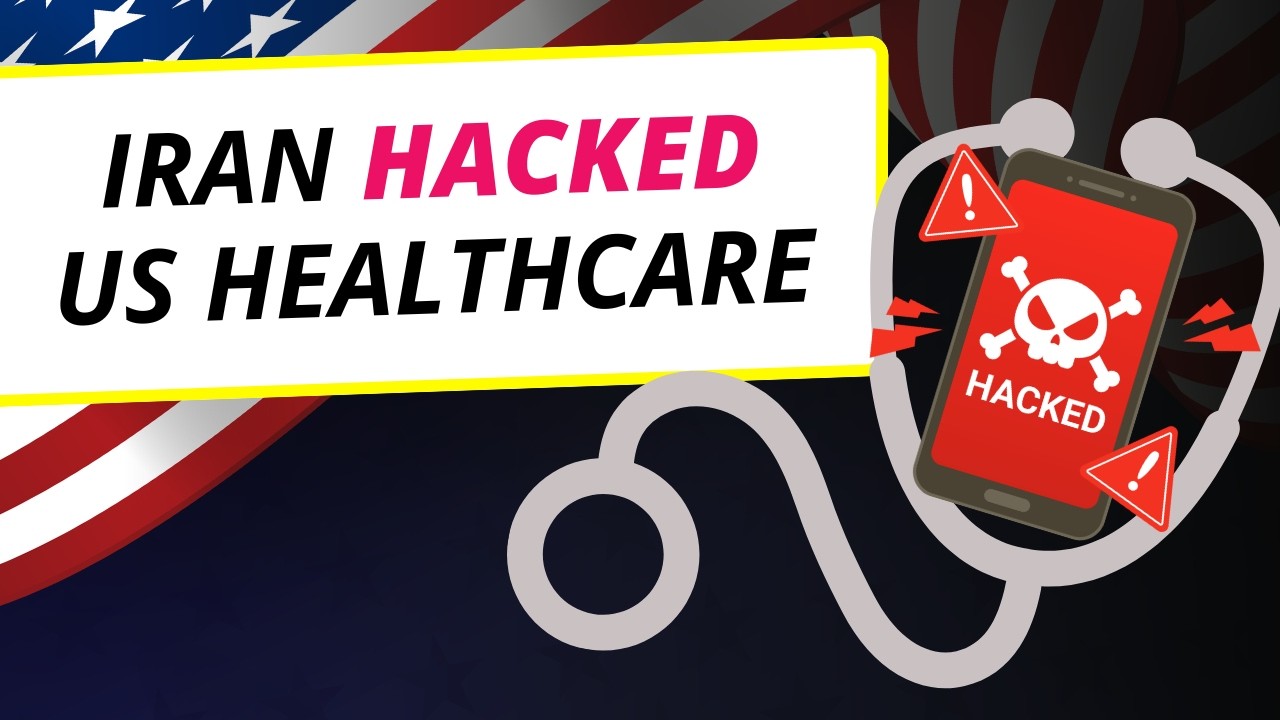
Iran's **Islamic Revolutionary Guard Corps (IRGC)** has announced plans to target major **US tech companies**, including **Apple**, **Microsoft**, **Google**, *
Summary
Iran's **Islamic Revolutionary Guard Corps (IRGC)** has announced plans to target major **US tech companies**, including **Apple**, **Microsoft**, **Google**, **HP**, **Meta**, and **Tesla**, across the Middle East. This move is seen as a response to **US sanctions** and **cyberattacks** on Iranian targets. The IRGC has accused these companies of **collaborating with US intelligence agencies**. The situation has sparked concerns about **global cybersecurity** and the potential for **escalating tensions** between the US and Iran. [[iran-us-relations|Iran-US relations]] have been strained in recent years, with both countries engaging in a series of **cyberattacks** and **proxy wars**. The IRGC's threat has also raised questions about the **vulnerability of US tech companies** in the region. [[cybersecurity|Cybersecurity experts]] warn that the IRGC's capabilities should not be underestimated, and that **US companies** must take immediate action to protect themselves.
Key Takeaways
- The IRGC has announced plans to target major US tech companies in the Middle East
- The situation has significant implications for global cybersecurity and US-Iran relations
- The US and Iran must take immediate action to de-escalate tensions and prevent a crisis
- US tech companies must invest in cybersecurity to protect themselves from cyber threats
- Diplomatic efforts are necessary to address the underlying issues and find a peaceful resolution
Balanced Perspective
The situation is **complex**, with both the **US** and **Iran** having **legitimate concerns**. The IRGC's threat may be a **response** to **US actions**, and **US tech companies** may be **vulnerable** to **cyberattacks**. The situation requires a **nuanced** approach, taking into account the **historical context** of **US-Iran relations**. [[geopolitics|Geopolitics experts]] warn that the situation is **delicate**, and that **miscalculations** could lead to **unintended consequences**. A **balanced** approach is necessary to **de-escalate tensions** and **protect US interests**.
Optimistic View
The IRGC's threat may be a **bluff**, and **US tech companies** may be able to navigate the situation without significant harm. **Diplomatic efforts** could help to **de-escalate tensions**, and **international cooperation** could lead to a **more stable** region. The situation may also prompt **US companies** to invest in **cybersecurity**, leading to **innovations** and **job creation**. [[innovation|Innovation experts]] believe that the **tech industry** is well-equipped to handle the challenge, and that **US companies** will emerge **stronger** and more **resilient**.
Critical View
The IRGC's threat is a **serious concern**, and **US tech companies** may be **unprepared** to handle the situation. The **cybersecurity risks** are **real**, and the **consequences** of a **successful attack** could be **devastating**. The situation may also **escalate** into a **larger conflict**, with **global implications**. [[conflict-resolution|Conflict resolution experts]] warn that the situation is **highly volatile**, and that **diplomatic efforts** may be **insufficient** to **prevent a crisis**. The **US** and **Iran** must take **immediate action** to **de-escalate tensions** and **prevent a disaster**.
Source
Originally reported by The Hill